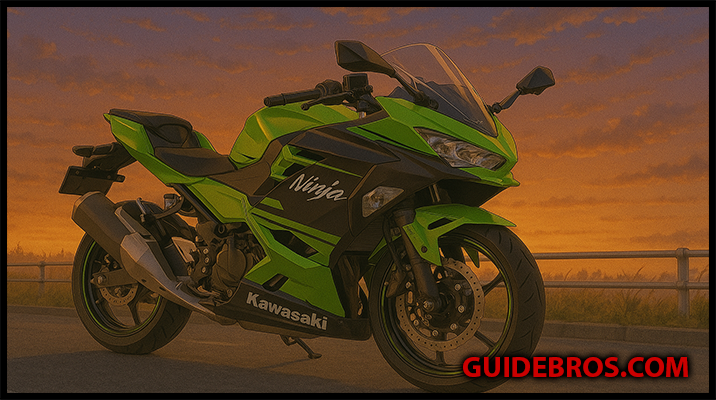
The Kawasaki Ninja 400 2025 specs deliver a balanced combination of power, handling, and reliability for everyday riding. This lightweight sportbike is widely trusted for commuting, highway travel, and beginner-friendly performance. Riders searching for fuel efficiency, manageable weight, and confident braking will find this model highly practical. The engine produces strong mid-range acceleration while maintaining smooth control in traffic. It remains one of the most dependable entry-level sport motorcycles available today.
Overview
The Ninja 400 continues to dominate the entry-level sportbike segment due to its proven engine reliability and responsive handling. Its 399cc parallel-twin engine provides predictable acceleration that suits both new riders and experienced commuters. The lightweight chassis improves cornering stability and reduces fatigue during long rides. Fuel efficiency remains competitive for daily use and weekend touring. Most importantly, the model maintains a reputation for durability and consistent performance across different riding conditions.
2025 Kawasaki Ninja 400 Technical Specifications
| Specification Category | Details |
|---|---|
| Engine | 399cc liquid-cooled parallel twin, DOHC, 8-valve |
| Horsepower | Approximately 45 PS at 10,000 rpm |
| Torque | 37 Nm at 8,000 rpm |
| Transmission | 6-speed with Assist and Slipper Clutch |
| Fuel Tank Capacity | 14 liters |
| Seat Height | 785 mm |
| Kerb Weight | 168 kg |
| Mileage | Approximately 25–28 km/L depending on riding style |
| Top Speed | Around 169–190 km/h |
| Braking System | Dual-channel ABS disc brakes |
The lightweight 168 kg design improves maneuverability in city traffic while maintaining highway stability. The 785 mm seat height allows most riders to reach the ground comfortably, making the motorcycle suitable for beginners and daily commuters. According to manufacturer specifications, the parallel-twin engine produces reliable power while maintaining efficient fuel consumption. These features contribute to its reputation as a balanced entry-level sportbike platform. :contentReference[oaicite:2]{index=2}
Performance Highlights and Riding Experience
The engine design focuses on smooth acceleration rather than aggressive racing performance. Riders benefit from predictable throttle response when navigating heavy traffic or climbing steep roads. The assist and slipper clutch reduces wheel lock during sudden downshifts, improving safety in emergency braking situations. Acceleration from 0 to 100 km/h typically occurs within approximately five seconds under normal conditions. This performance range supports both daily commuting and weekend highway riding without excessive fuel consumption.
Real-World Riding Efficiency
Fuel efficiency remains one of the strongest advantages of this motorcycle. Many riders choose this model because it delivers consistent mileage while maintaining enough power for overtaking vehicles. The engine operates efficiently at mid-range speeds, reducing long-term fuel costs. Lower engine stress also contributes to longer service intervals and improved reliability. These factors make the motorcycle suitable for daily transportation in urban environments.
Advanced Strategy Tips for New and Experienced Riders
Daily Commuting Strategy
Maintain engine speeds between 4,000 and 7,000 rpm for the best balance of fuel economy and performance. This range reduces mechanical wear while providing enough torque for smooth acceleration. Regular tire pressure checks improve stability and braking efficiency during city riding. Avoid aggressive throttle inputs in heavy traffic to maintain consistent fuel consumption. These small adjustments significantly improve long-term riding efficiency.
Highway Riding Strategy
Use gradual throttle control when entering highways to maintain engine stability. Keep safe following distances to reduce emergency braking situations. Adjust body posture slightly forward to improve wind resistance and control at higher speeds. Maintain steady cruising speeds to maximize fuel efficiency. These riding habits increase safety and reduce rider fatigue during long-distance travel.
Pros and Cons Analysis and Efficiency Perspective
| Advantages | Disadvantages |
|---|---|
|
|
From an efficiency perspective, the motorcycle offers one of the best power-to-weight ratios in the entry-level sportbike category. The engine delivers sufficient acceleration without consuming excessive fuel. Maintenance costs remain manageable compared to larger displacement motorcycles. These advantages make it a practical long-term transportation investment. Riders seeking dependable performance often prioritize this model due to its consistent reliability record.
Estimated Pricing Guide
Pricing may vary depending on region, dealership availability, and import taxes. In the Philippines, the motorcycle typically falls within the mid-range sportbike pricing category. Buyers should consider registration fees, insurance costs, and maintenance expenses when planning their purchase budget. Financing options may also influence the final price. Always verify the latest dealership pricing before making a purchase decision.
- Philippines: ₱340,000 – ₱360,000
- United States: $5,700 – $6,000
- India: ₹5.2 – ₹5.4 lakh
Frequently Asked Questions
Q: Is the Kawasaki Ninja 400 2025 good for beginners?
A: Yes. The lightweight frame, predictable throttle response, and moderate seat height make it one of the safest beginner sport motorcycles available today.
Q: What is the real mileage of the Ninja 400?
A: Most riders experience approximately 25 to 28 kilometers per liter depending on riding style, road conditions, and maintenance habits.
Q: How fast can the Ninja 400 go?
A: The motorcycle can reach a top speed close to 190 km/h under optimal conditions with proper maintenance and safe riding practices.
Q: Is the Ninja 400 suitable for long rides?
A: Yes. Its balanced ergonomics, fuel efficiency, and stable handling make it suitable for highway travel and weekend touring.
Helpful Guide?
Sharing helps us create more pro-level content for you!