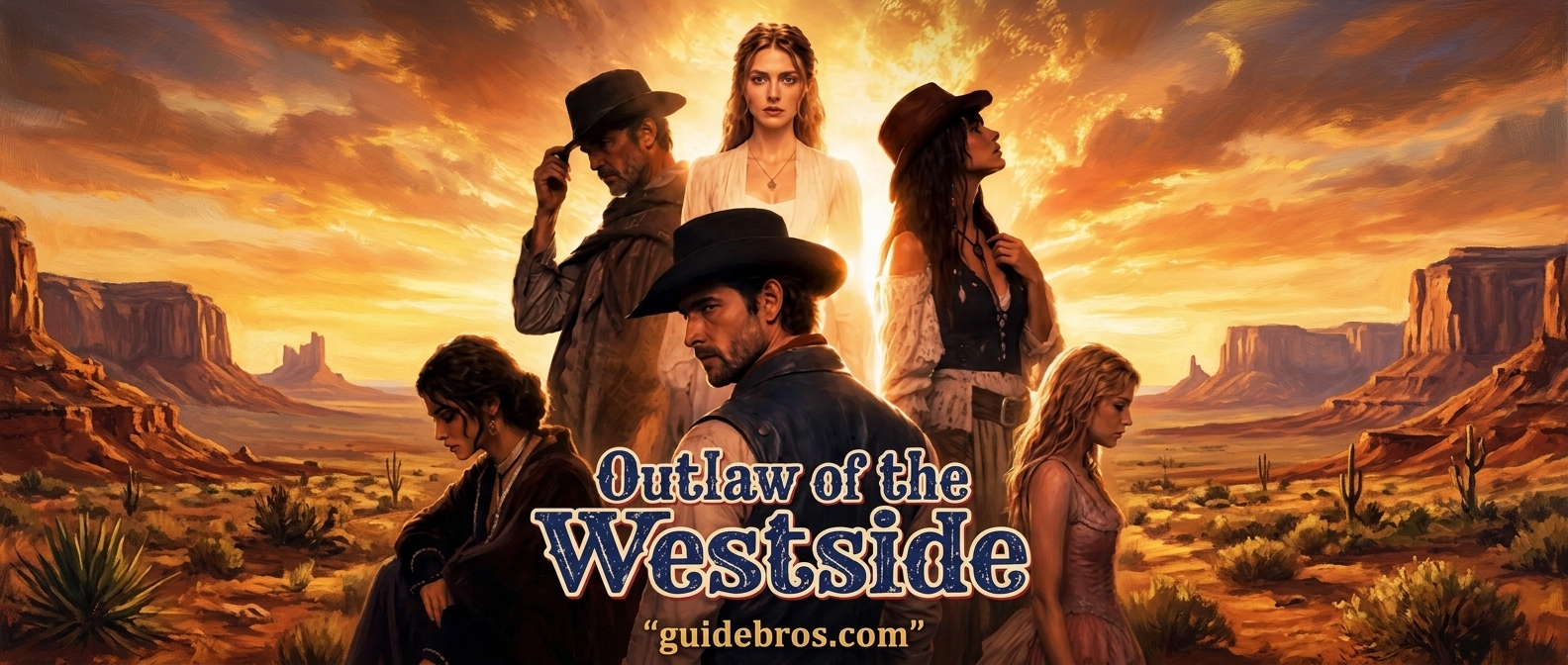
Explore the Westside underdog's fight for respect, survival, loyalty, and a better future in a world where every choice has a price.
Overview
Outlaw of the Westside Underdog presents a gritty concept about a person trying to survive in a place where power often speaks louder than truth. The central character begins with limited resources, few trusted allies, and many reasons to doubt the people around them. Instead of relying on strength alone, the underdog must learn to read situations, manage risks, and choose allies carefully. Loyalty, personal pride, betrayal, and ambition shape the struggles that make the journey meaningful. The story's central appeal lies in the question of whether someone with little power can change their position without losing the values that define them.
What Is Outlaw of the Westside Underdog About?
Outlaw of the Westside Underdog can be understood as a street-centered drama about a person who stands against stronger rivals and difficult circumstances. The word "outlaw" suggests someone who lives outside accepted rules, while "underdog" describes a person who begins at a disadvantage. Together, these ideas create a character who must deal with both external pressure and personal struggles.
The Westside setting gives the story a place where reputation, trust, and survival can influence everyday decisions. The main character may face powerful opponents, limited opportunities, broken promises, and pressure from people who expect immediate loyalty. Each challenge tests the character's judgment and reveals what matters most to them.
The most interesting part of an underdog story is not simply watching a weaker person defeat a stronger rival. It is seeing how that person develops the skills, confidence, and patience needed to face challenges that once seemed impossible. A believable character earns progress through decisions and consequences rather than receiving success without effort.
Because the title alone does not establish a specific official plot, character list, release date, or franchise, those details should be confirmed before being presented as facts. This discussion focuses on the themes suggested by the title rather than claiming to summarize a verified game, film, or published story.
Why the Underdog Character Matters
An underdog often begins with fewer advantages than the people standing in their way. They may lack money, connections, influence, experience, or the support of a powerful group. These limits create tension because every mistake can carry a greater cost.
However, a weak starting position does not mean the character has no strengths. An underdog may be observant, patient, resourceful, or better at understanding people than their rivals. These qualities create opportunities that cannot always be gained through physical strength or social status.
Starting With Limited Resources
A strong underdog story gives the main character real limitations. They cannot solve every problem by paying someone, calling in favors, or overpowering an opponent. They must decide which problems deserve attention and which risks are too costly.
For example, a character with little money may need to choose between protecting a friend and saving enough resources to move forward. A character without reliable allies may need to gather information before trusting a new contact. These decisions make the journey feel personal and give each victory greater meaning.
Turning Weakness Into Experience
Failure can become a turning point when the character learns from it. Losing a negotiation may teach them to prepare better. Trusting the wrong person may encourage them to verify promises instead of accepting every offer. Making an emotional decision may reveal the value of waiting before responding.
Growth should not remove every weakness. A character becomes more believable when old habits still create problems, even after they have gained experience. Progress means learning to manage those weaknesses rather than pretending they no longer exist.
The Meaning of the Outlaw Identity
The word "outlaw" can describe more than a person who breaks rules. In a dramatic story, it can represent someone who feels rejected by society, refuses to accept an unfair position, or follows a personal code that conflicts with the rules around them.
This identity creates an important question: does the character reject the system because it is unfair, or because the character wants power without limits? The answer affects how readers understand their choices.
An outlaw character can be brave and loyal while still making harmful decisions. They might protect a friend but hurt an innocent person through anger or pride. These contradictions create depth because a person's good intentions do not automatically make every action right.
Freedom Versus Responsibility
Living outside the rules may appear to offer freedom, but it can also create new problems. A character who refuses every form of authority may struggle to maintain relationships, build a stable future, or accept responsibility for mistakes.
A meaningful character journey explores the difference between independence and recklessness. Independence means being able to make decisions and accept their consequences. Recklessness means acting without considering who may be harmed.
The strongest development occurs when the character learns that real control involves more than defeating rivals. It also requires managing anger, keeping promises, and knowing when to walk away from a conflict.
Westside Life: Reputation, Loyalty, and Betrayal
In a street-centered drama, reputation can influence how other people respond to the main character. A person known for keeping promises may attract dependable allies, while someone who repeatedly breaks agreements may struggle to earn trust.
However, reputation can also become a trap. Someone who feels forced to appear fearless may take unnecessary risks to protect an image. A person who believes backing down is always a sign of weakness may turn a small disagreement into a serious conflict.
This creates a useful source of tension for the Westside underdog. The character must decide whether to protect an image or make the choice that offers the best chance of reaching a long-term goal.
Why Loyalty Needs Boundaries
Loyalty is valuable when people support one another through difficult situations. Friends who share honest advice, respect limits, and keep their promises can help an underdog make better decisions.
Blind loyalty is different. It can pressure someone to defend harmful behavior, accept unfair treatment, or take risks for people who would never return the favor. A character who cannot question their own group may become trapped by the same problems they hoped to escape.
Healthy loyalty allows people to disagree without automatically becoming enemies. It also recognizes that helping a friend does not require approving every decision that friend makes.
How Betrayal Changes the Story
Betrayal can change the direction of a character's journey, especially when it comes from a trusted ally. The damage is not limited to the immediate loss. It can also make the character question their judgment and become suspicious of future relationships.
A believable response takes time. The character may become more careful, investigate what happened, or struggle with the temptation to seek revenge. The important question is whether the experience leads to better judgment or simply creates another cycle of distrust.
When betrayal has lasting consequences, it becomes part of the character's development instead of serving as a temporary surprise.
Smart Strategies for an Underdog Facing Stronger Rivals
A weaker character cannot rely on the same advantages as a powerful opponent. The best strategy is often to understand the situation, reduce unnecessary risks, and use available resources wisely. These ideas also apply to everyday challenges involving work, relationships, competition, and personal goals.
1. Understand the Situation Before Acting
Rushing into a problem without enough information can turn a manageable challenge into a major setback. An underdog should first identify what is happening, who is involved, what each person wants, and what may happen if the situation gets worse.
In a fictional conflict, this might mean noticing a rival's motives or recognizing that a disagreement is being used to create tension between friends. In real life, it can mean checking the facts before responding to an accusation or making a costly decision.
2. Protect Limited Resources
Money, time, energy, and trust are all limited resources. An underdog who spends everything on one immediate victory may have nothing left when a larger problem appears.
A practical approach is to separate essential needs from optional risks. Keep enough resources for basic responsibilities, avoid promises that cannot be kept, and consider the likely cost of failure before accepting a challenge.
3. Choose Allies Carefully
The number of people in a group does not determine its reliability. One dependable ally can be more valuable than several people who offer support only when they expect a reward.
Look at actions rather than promises. Does the person respect boundaries? Do they tell the truth when the truth is uncomfortable? Can they disagree without trying to control the situation? These questions help distinguish dependable support from a relationship built on pressure.
4. Avoid Conflicts That Offer No Real Benefit
Not every challenge deserves a response. Some arguments consume time without improving the situation, while others are designed to provoke an emotional reaction.
A strong underdog understands that walking away can be a strategic decision. Before responding, consider the goal, the possible consequences, and whether the result will improve anything that matters.
5. Learn From Every Setback
A failed attempt should provide information that can improve the next decision. Instead of repeating the same approach, identify what went wrong and determine what can be changed.
This does not mean every failure is useful or that every problem can be solved through effort alone. It means reviewing the parts of a situation that can be controlled and making a more informed choice next time.
Character Development: From Outsider to Independent Thinker
A convincing underdog journey needs more than a change in status. If the main character starts with little influence and eventually becomes powerful, the story should explain how that change affects their beliefs, behavior, and relationships.
At the beginning, the character may believe that respect comes from being feared. After experiencing the cost of constant conflict, they may begin to value reliability and self-control. Their external circumstances can improve while their internal struggles remain difficult.
Another important part of development is accountability. A character who blames every mistake on enemies or bad luck cannot learn much from experience. Accepting responsibility does not mean accepting unfair blame. It means recognizing personal choices and correcting mistakes when possible.
Growth also involves setting new goals. The character may begin by wanting recognition but later discover that a stable home, meaningful relationships, or personal freedom matters more. This change gives the story a clear direction beyond simply defeating rivals.
Pros and Cons of the Underdog Story Concept
Advantages
- Strong emotional connection: Readers can relate to a character who faces unfair odds and works to improve their situation.
- Clear personal growth: The character has room to develop skills, confidence, judgment, and self-control.
- Meaningful conflict: Limited resources make choices more important because mistakes can have lasting consequences.
- Rich relationship drama: Loyalty, trust, and betrayal can reveal different sides of the main character.
- Useful life lessons: Themes such as patience, accountability, and careful planning can connect the story to real experiences.
Disadvantages
- Predictable victories: The story may lose tension if the underdog always wins at the last moment.
- Overused street themes: Rivalries and revenge can feel familiar when characters lack distinct goals and personalities.
- Romanticized violence: Constant conflict may be presented as admirable without showing its cost to individuals and communities.
- Weak supporting characters: Allies and rivals may feel unimportant if their only purpose is to help the main character succeed.
- Unclear character motives: Decisions become difficult to understand when the story does not explain what the character wants or fears.
The concept works best when victories come with consequences and supporting characters have their own motivations. An underdog should not succeed only because everyone else makes poor decisions. Their progress should follow from choices, effort, changing circumstances, and believable opportunities.
Efficiency Perspective: What Makes an Underdog Successful?
Efficiency in an underdog story means using limited resources to make meaningful progress. The character does not need to win every argument, defeat every rival, or prove their strength in every situation. Success comes from choosing actions that support a larger goal.
A useful way to evaluate a decision is to consider three questions: What can be gained? What could be lost? Is there a safer or more effective way to reach the same result?
For example, spending time on a personal rivalry may offer a short-lived feeling of victory but damage a valuable relationship. By contrast, resolving a misunderstanding may protect trust and free the character to focus on more important responsibilities.
Efficiency also requires knowing when to seek help. Asking for advice is not a sign of weakness when it improves judgment or prevents a costly mistake. Independent thinking includes recognizing the limits of personal knowledge.
The most effective underdog is therefore not necessarily the strongest or most feared person in the Westside. It is the person who learns to balance ambition with patience, confidence with caution, and independence with responsible relationships.
Frequently Asked Questions
What is Outlaw of the Westside Underdog about?
The title suggests a gritty underdog story about survival, difficult choices, loyalty, and the struggle to gain respect in a challenging environment. However, a confirmed plot summary requires the specific game, film, book, or other work associated with the title.
Is Outlaw of the Westside Underdog a game, movie, or book?
The title alone does not establish which medium it belongs to. Confirming the official title, creator, platform, or publication details would help identify the intended work and avoid confusing it with another story.
What does the underdog represent in the story?
The underdog represents a person who starts with fewer advantages but still has opportunities to learn and improve. Their struggle can explore determination, resourcefulness, fairness, and the difference between gaining power and becoming a better person.
Why is the outlaw theme important?
The outlaw theme raises questions about freedom, authority, and personal responsibility. It can show why a character rejects accepted rules while also exploring the consequences of ignoring boundaries or placing personal pride above other people.
What strategies can an underdog use against stronger opponents?
An underdog can study the situation, protect limited resources, build trustworthy relationships, avoid unnecessary conflict, and learn from mistakes. These approaches help the character make informed decisions instead of relying on luck or reckless behavior.
How do loyalty and betrayal affect the character?
Loyalty can provide support and confidence, while betrayal can damage trust and change the character's priorities. These experiences become meaningful when they influence later decisions and help explain how the character's relationships develop.
What makes an underdog character believable?
A believable underdog has clear goals, real weaknesses, understandable motives, and limits that cannot be overcome instantly. Their progress should result from learning, effort, relationships, and circumstances rather than constant luck.
Does becoming an outlaw mean becoming a bad person?
Not necessarily. The term can describe a character who rejects accepted rules, but their moral choices determine how readers view them. A complex character may show courage and loyalty while still making decisions that cause harm.
What lessons can readers take from an underdog story?
Readers can consider the value of patience, careful planning, honest relationships, and accountability. The story can also show that reputation and short-term victories matter less than the long-term effects of personal choices.
How can the Westside setting improve the story?
A well-developed setting can shape the character's opportunities, relationships, and risks. Specific places, local pressures, community ties, and differences in power can make the setting feel meaningful rather than serving as a simple background.
Final Thoughts on Outlaw of the Westside Underdog
Outlaw of the Westside Underdog offers a compelling title for a story about someone trying to rise above difficult circumstances without losing control of their own choices. The themes of survival, loyalty, betrayal, and ambition create opportunities to explore both the rewards and the costs of seeking power.
The strongest underdog stories do not treat success as a simple victory over stronger enemies. They show the work behind each improvement, the consequences of mistakes, and the personal changes that occur along the way. A character becomes memorable when their decisions reveal what they value and what they are willing to change.
Ultimately, the central idea is that a difficult beginning does not have to define the rest of a person's life. Clear goals, thoughtful decisions, dependable relationships, and a willingness to learn can create new opportunities, even when success is far from certain.
Helpful Guide?
Sharing helps us create more pro-level content for you!